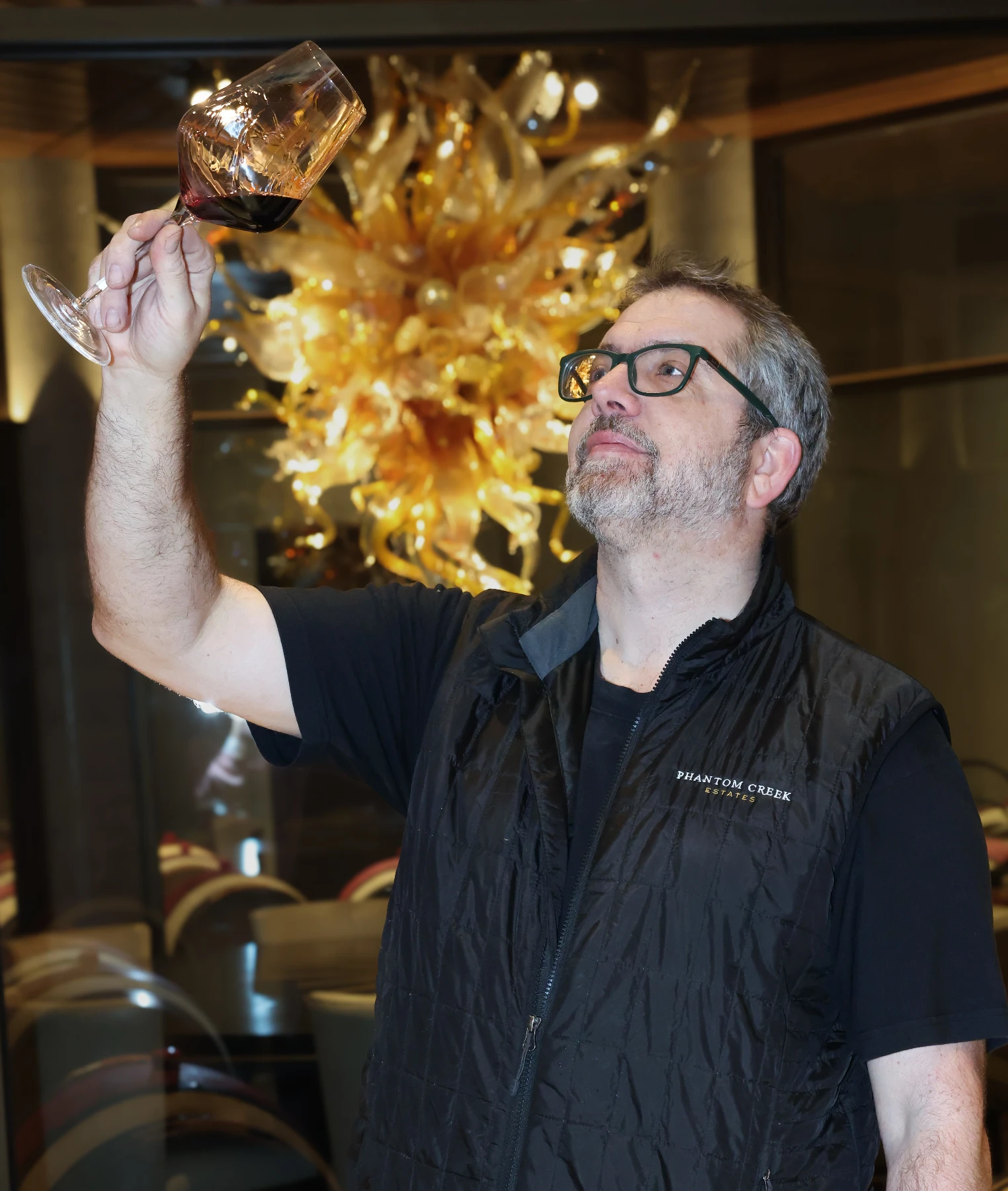
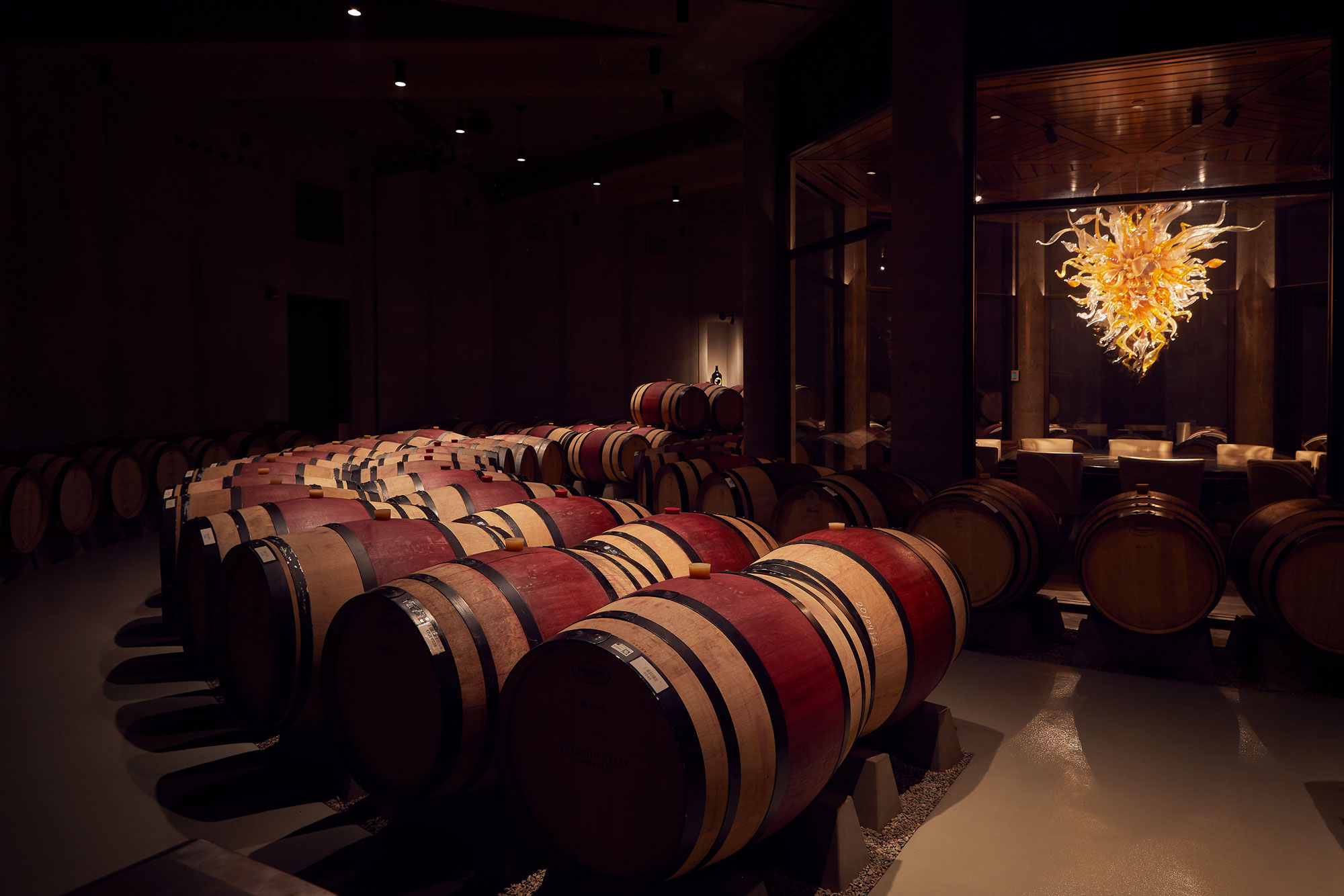
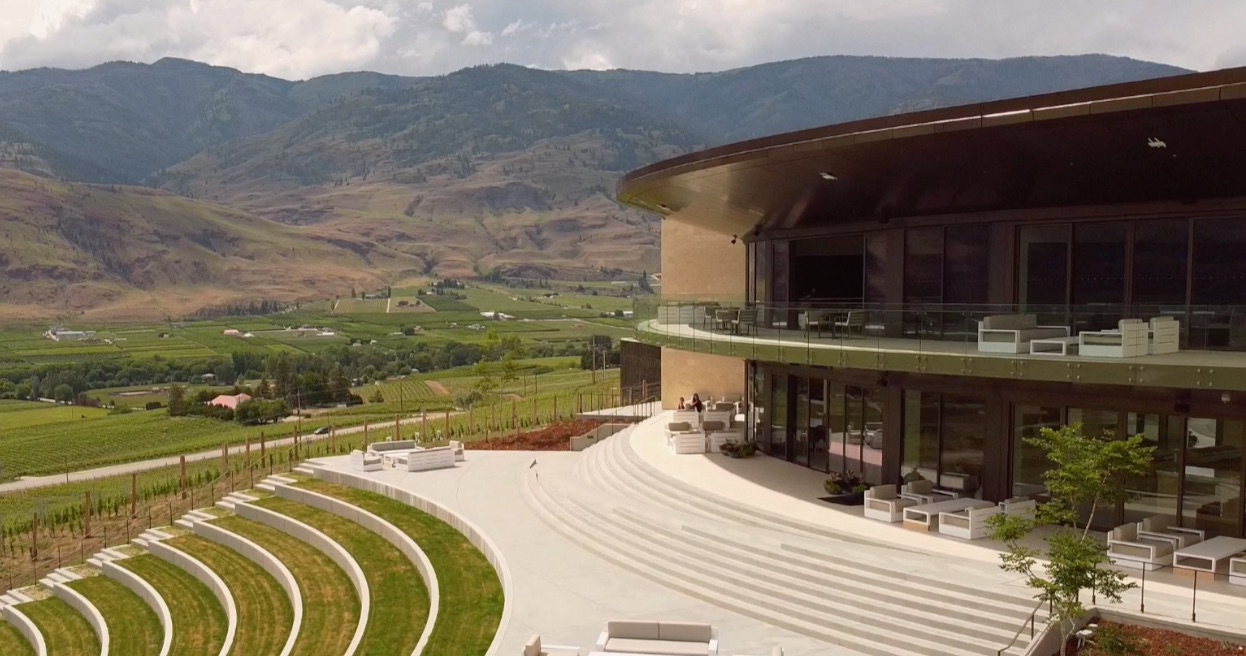
The Viticultural Bridges seminar brought together leading voices from Alsace and British Columbia to discuss how climate change is reshaping viticulture and winemaking. Among the panelists were Olivier Humbrecht of Domaine Zind-Humbrecht (Consulting Winemaker at Phantom Creek Estates) and Jean-Marc Enixon of Phantom Creek Estates, each offering insight from their respective regions. Both emphasized that rising temperatures, erratic weather, and earlier harvests are challenging long-standing traditions — yet also inspiring innovation in how wineries approach vineyard management, rootstock selection, and wine style.
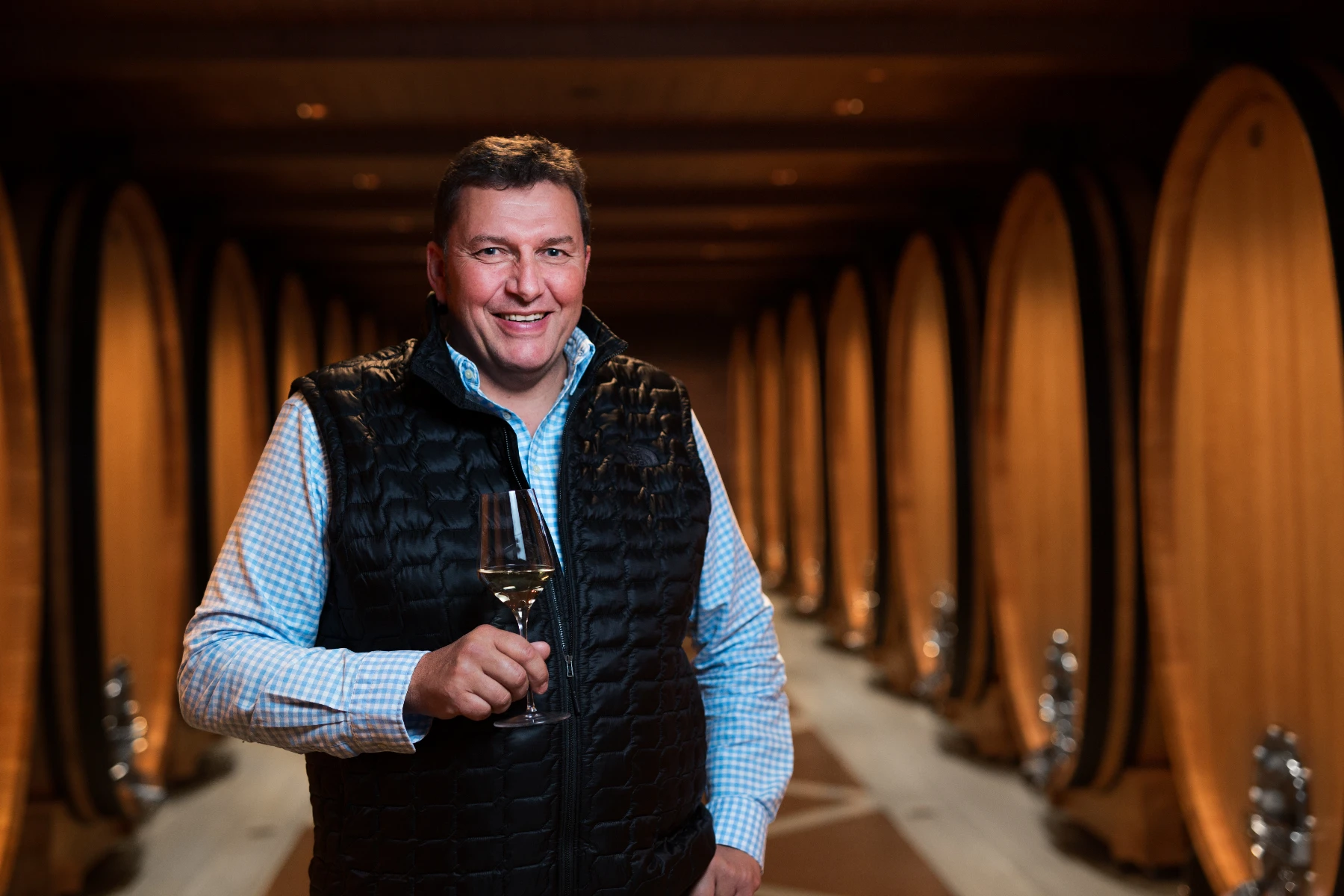
At Phantom Creek Estates, Enixon explained that the team is adapting to hotter, shorter growing seasons by refining harvest timing and focusing on cooler sites within the Okanagan. Their approach to Riesling highlights a balance between preserving acidity and expressing pure aromatics through cool fermentation — a nod to both terroir and consumer preference. Similarly, Humbrecht described how in Alsace, Riesling is evolving from a high-acid, sweeter style toward drier wines with a more saline character, reflecting changes in acidity levels brought on by warmer vintages.
Both winemakers underscored the need for resilience and flexibility in the vineyard. For Alsace, this means experimenting with drought-resistant rootstocks and rethinking canopy density, while in British Columbia, it means promoting soil health and managing shade to protect delicate fruit. Despite the challenges, the shared sentiment was one of optimism: by combining traditional wisdom with forward-thinking viticulture, estates like Phantom Creek and Domaine Zind-Humbrecht are building a bridge between heritage and adaptation — ensuring their wines continue to express place, purpose, and persistence in a changing climate.